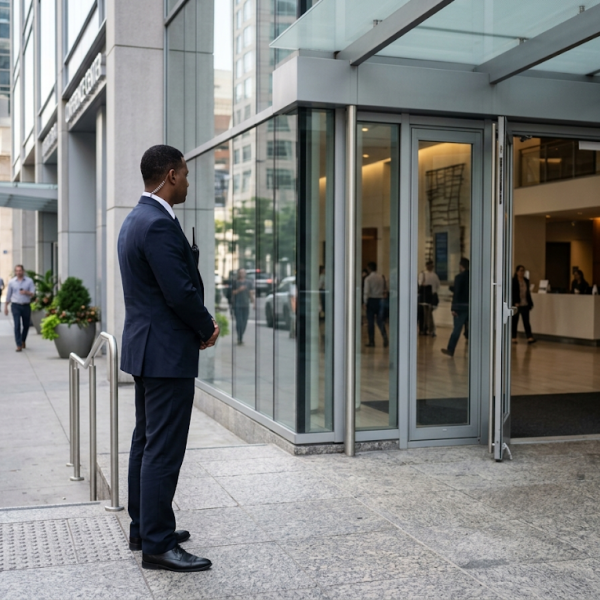
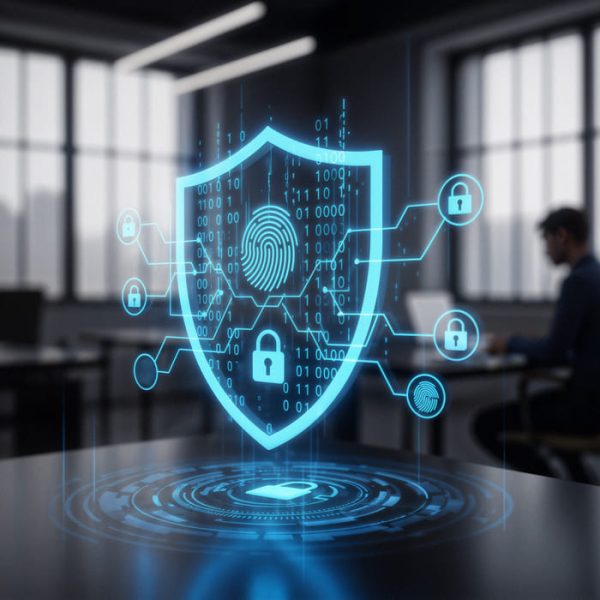
In an increasingly unpredictable environment, personal security is no longer just about locking your front door or avoiding dark alleys. It now spans the physical world, the digital realm, and even the way we manage our finances and identities online. From biometric locks on our phones to encrypted communication and smarter risk awareness, the evolution of security is reshaping daily life for individuals, freelancers, and business owners alike.
1. From Simple Locks to Smart Physical Security
Traditional security used to mean sturdy doors, reliable locks, and maybe an alarm system for the most cautious households. While those basics still matter, they’re no longer enough on their own. Today, we see:
- Smart locks that use codes, smartphones, or biometrics instead of keys.
- Connected cameras with motion detection and cloud storage.
- Doorbell cameras that let you see and talk to visitors remotely.
These physical security tools integrate with apps and cloud services, offering real-time notifications and remote control. The trade-off is that they must also be protected from hacking, which blends physical and digital security into a single, more complex challenge.
2. The Digital Footprint: Protecting Identity and Data
As banking, communication, and work have moved online, your personal data has become a prime target. Cybercriminals use phishing, social engineering, and data breaches to compromise accounts. Key developments in this area include:
- Multi-factor authentication (MFA) as a standard for securing logins.
- Password managers to create and store complex, unique passwords.
- End-to-end encryption in messaging, conferencing, and file sharing.
Whether you’re accessing social media, online banking, or business tools like a free online invoice generator pdf, every login and file share creates a new point of risk. Securing these touchpoints is now essential to everyday personal safety.
3. Financial Security: Safer Payments and Transactions
Financial information is one of the most sensitive targets in the modern world. Attackers don’t just go after banks; they focus on individuals and small businesses that may overlook basic protections. Over time, financial security has shifted in several ways:
- Chip-and-PIN and contactless payments replacing easily cloned magnetic stripes.
- Virtual cards and tokenized payments masking actual card numbers online.
- Instant alerts for purchases, withdrawals, or suspicious activity.
For freelancers and entrepreneurs, secure invoicing and payment collection have become part of personal security strategy. It’s not only about getting paid on time; it’s about ensuring invoices, client details, and bank information aren’t exposed to unauthorized access.
4. The Rise of Remote Work and Home-Office Risk
Remote work has blurred the lines between personal and professional security. Your home network is now a gateway to company systems, client files, and confidential data. Key changes include:
- VPNs to encrypt internet traffic when connecting to corporate or client systems.
- Separate work devices or user profiles to reduce cross-contamination of data.
- Security policies for file sharing, device management, and software updates.
If one device in your home is compromised, it can become an entry point to your entire professional ecosystem. This makes it vital to treat home routers, Wi-Fi passwords, and even smart TVs as part of your security perimeter.
5. Mobile Devices as the New Security Hub
Smartphones now hold banking apps, authentication tools, health records, and access to smart home systems. They have become central to both convenience and vulnerability. Modern personal security increasingly depends on:
- Biometric unlocking (fingerprint, face ID) instead of simple PINs.
- Automatic device encryption to protect data if a phone is lost.
- Remote wipe and tracking capabilities for stolen or misplaced devices.
Because phones are constantly connected, keeping operating systems up to date, installing apps only from trusted sources, and reviewing permissions are no longer optional habits—they’re critical for everyday safety.
Personal security has evolved from simple door locks to layered digital and physical protection plans that account for travel, remote work, and cross-border assets. Executives relocating to or from Italy often discover that their insurance policies, alarm contracts, and property deeds were never meant to be read outside their home language. A careful italian to english translation of these documents before a move prevents gaps in coverage that only show up after something has already gone wrong.
6. Information Awareness: The Human Firewall
Technology alone can’t guarantee security. Human behavior is often the weakest link, and attackers know it. This is why personal security has evolved to include ongoing education and awareness:
- Recognizing phishing emails, fake websites, and social engineering tactics.
- Being cautious about oversharing on social media, which can fuel targeted attacks.
- Regularly reviewing privacy settings on major platforms and apps.
In many cases, a single careless click can bypass the best technical defenses. Building habits of skepticism, verification, and careful information sharing is now a core part of personal security.
7. Balancing Convenience, Privacy, and Safety
One of the biggest changes in how we approach personal security is the need to balance convenience with privacy and safety. Cloud-based tools, integrated services, and smart devices make life easier, but they also increase the number of systems that hold your data. Modern best practices include:
- Limiting data collection by disabling nonessential tracking and permissions.
- Choosing tools with strong security policies and transparent data handling.
- Regularly backing up important data and storing it in encrypted locations.
The goal is not to reject technology, but to use it intentionally. Each new app or service should be evaluated not only for what it offers but also for the security and privacy cost that comes with it.
Conclusion: Security as an Ongoing Practice
Personal security has transformed from a set of simple physical precautions into a multi-layered practice covering digital identity, financial transactions, remote work, and daily online interactions. In this environment, safety is no longer a one-time setup; it is a continuous process of updating tools, learning about new threats, and adjusting habits.
By combining smarter physical protections, robust digital safeguards, secure financial workflows, and strong personal awareness, individuals and professionals can navigate a high-risk world with far greater confidence. The key is to treat security as an integral part of modern life, woven into every device you use, every account you create, and every piece of information you share.