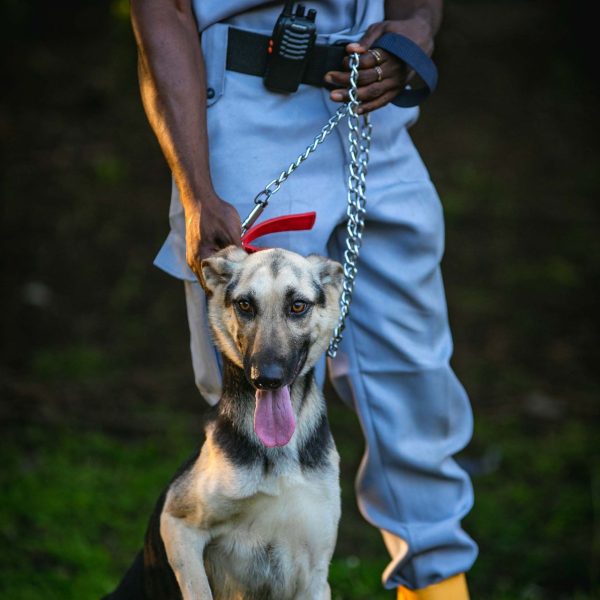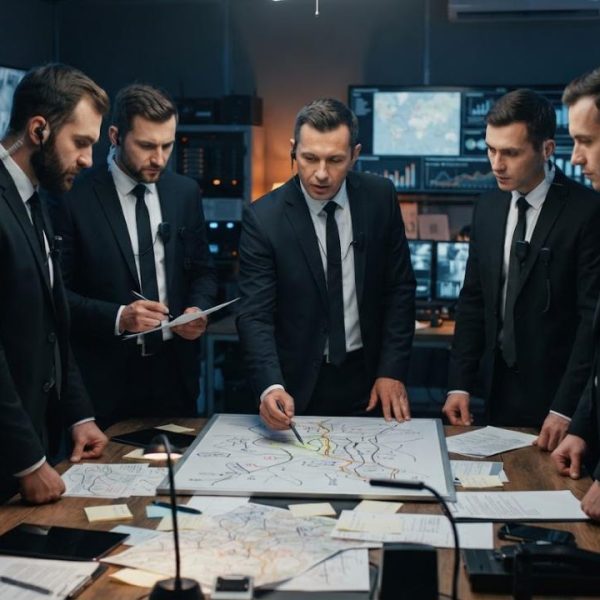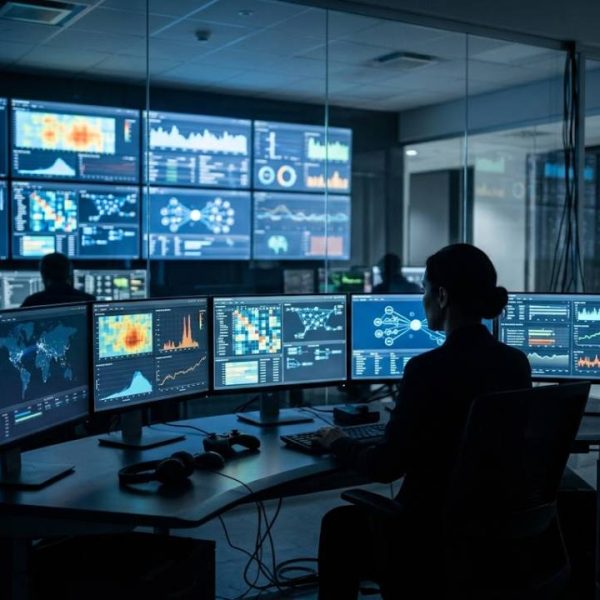
Good security is never just one thing. Trained guards bring judgement and presence, while technology adds cameras, alarms and digital records. Together they create layers of protection that are hard to beat. This article explains how to combine both for homes, offices and public places.
Why Layers Work Better
A single lock or a single guard can fail. Several layers, such as barriers, detection and response, make it harder for any threat to succeed.
The Role of Trained Guards
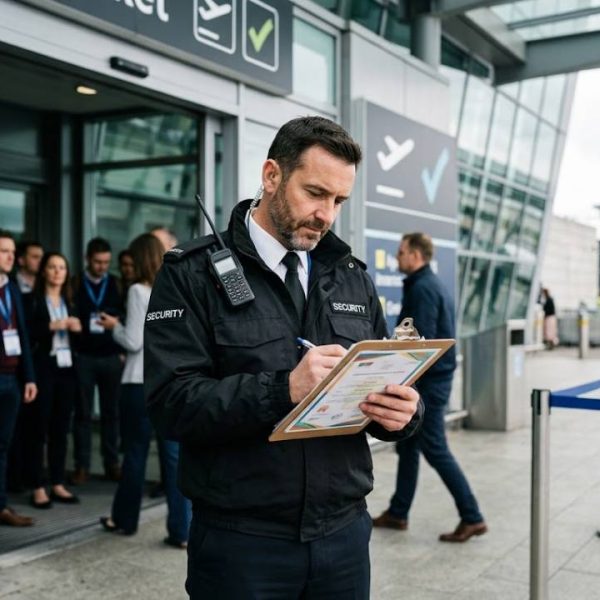
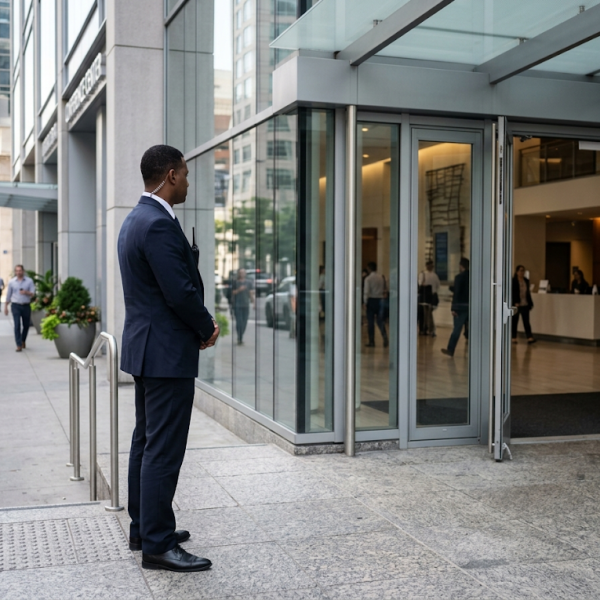
Guards observe, ask questions and respond to unusual events. Their calm presence often prevents trouble before it starts.
Training Makes the Difference
Good guards learn conflict management, first aid and clear reporting. Regular practice keeps their skills sharp and their decisions steady.
Surveillance Cameras Add Eyes
Cameras record events and cover areas that people cannot watch constantly. Clear placement, good lighting and regular checks keep them useful.
Choose Quality Equipment
Cheap devices may fail at the worst moment. Look for clear image quality, reliable storage and simple maintenance.
Access Control Protects Doors
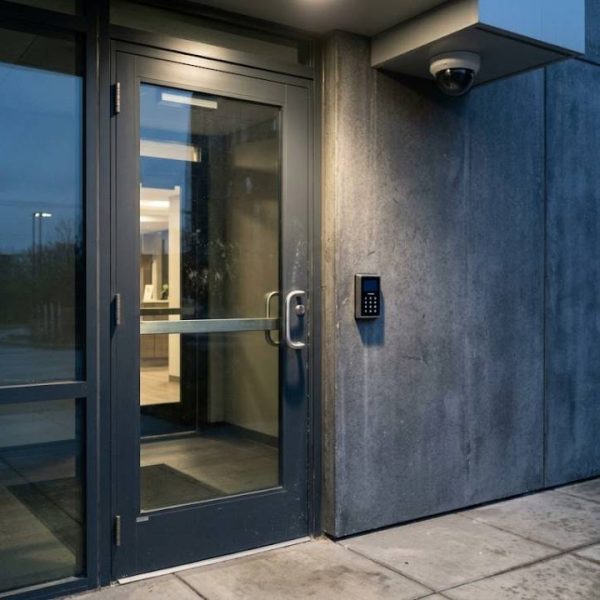
Key cards, codes and biometric readers decide who may enter. They also record entry times, which helps when something goes missing.
Alarms and Sensors Detect Early
Motion sensors, door contacts and glass break detectors alert staff quickly. Fast detection gives guards precious minutes to respond.
Connect Systems Together
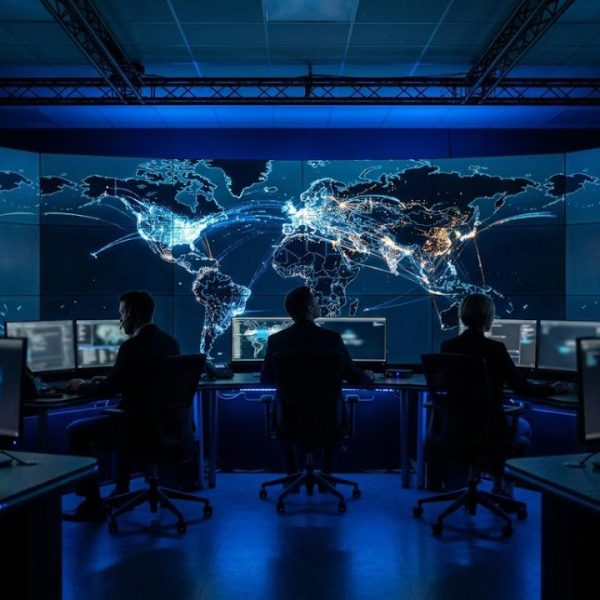
When cameras, alarms and doors share one platform, guards see a full picture. Integration reduces confusion during emergencies.
Learn From Official Guidance
Public agencies publish practical advice for protecting buildings and people. The CISA physical security guidance explains risk assessment, barriers and emergency planning in plain terms.
Start With a Risk Assessment
List what you need to protect, who might threaten it and how. A clear assessment shows where to spend your budget first.
Protect Digital Systems Too
Modern cameras and door controllers connect to networks. Strong passwords, updates and careful access prevent hackers from turning tools into weaknesses.
Follow Recognised Standards
Frameworks help organisations prove good practice. For example, Cyber Essentials certification sets basic controls that protect connected devices.
Plan Emergency Procedures
Everyone should know what to do in a fire, a threat or a power cut. Short drills build confidence and reduce panic.
Communicate Clearly
Radios, phones and simple codes keep teams connected. Clear messages prevent mistakes and speed up response.
Guard Visitor Management
A simple sign in desk helps track who is inside. Visitors should receive badges and be escorted in sensitive areas.
Serve International Visitors
Public buildings, airports and ports welcome people who speak many languages. Agencies that publish safety notices and forms with government translation services help everyone follow instructions correctly.
Use Clear Signs
Simple pictures and short words guide people through exits and restricted areas. Clear signs reduce accidents and misunderstandings.
Respect Privacy Rules
Cameras should cover only what is necessary and follow local law. Post notices and store footage securely for a limited time.
Review Incidents Calmly
After an event, check what happened and what could improve. Honest reviews turn mistakes into better procedures.
Maintain Equipment
Batteries, lenses and sensors need regular checks. A short monthly inspection finds problems before they matter.
Think About Lighting
Well lit entrances and car parks discourage crime and help cameras record clear images. Motion lights are a simple, low cost upgrade.
Secure Weak Points
Windows, back doors and loading areas are often forgotten. Inspect them regularly and repair damaged locks or hinges.
Treat Guards With Respect
Good teams share information and feel valued. Respectful workplaces keep experienced guards and improve safety for all.
Balance Safety and Welcome
Security should protect without feeling hostile. Friendly greetings and clear explanations create a calmer atmosphere.
Prepare for Large Events
Crowds need extra staff, barriers and clear routes. Plan entry points, first aid and communication in advance.
Consider Home Security Too
Simple steps like better locks, lights and neighbourly watch groups add real protection. Start with the doors you use most.
Keep Records Organised
Logs of visitors, incidents and maintenance prove that procedures are followed. They also help insurers and auditors.
Test Your Plans
Simulate events to see if people and systems respond well. Practice reveals gaps that paper plans can hide.
Stay Updated on New Tools
Security technology changes quickly. Follow trusted sources and review your setup at least once a year.
Use Visible Deterrents
Signs, uniforms and visible cameras tell people that the place is watched. Many problems are prevented simply by being noticed.
Check Backgrounds of Staff
Reliable guards and contractors should be properly screened. Trust is the foundation of every security team.
Control Keys and Codes
Keep a list of who holds keys and change codes when staff leave. Lost keys should trigger an immediate lock review.
Keep Evidence Safe
Footage and reports may be needed later. Store them securely and record who has accessed them.
Coordinate With Local Services
Share contact details with police, fire and medical teams. Quick cooperation saves time in an emergency.
Review Contracts Carefully
When hiring a security company, read the agreement. Check duties, hours, insurance and how incidents are reported.
Final Thoughts
The strongest security combines skilled people with reliable technology. Assess your risks, train your team, protect your networks and review often. With layers that support each other, you can keep people and property safe while staying welcoming.